
India’s Golden Triangle: What to Expect vs. Reality (2026 Guide)
The Golden Triangle — Delhi, Agra, and Jaipur — is the most travelled circuit in India for good reason. It packs an extraordinary amount of history, architecture, and culture into a manageable route. But first-time visitors often arrive with one version of India in their heads and find something far more layered, chaotic, and magnificent waiting for them.
Here’s an honest look at what you will actually encounter — and how to make the most of it.
Delhi: Expect a City, Find a Civilisation
What you expect: A busy capital with famous monuments.
The reality: Delhi is actually eight cities stacked on top of each other across 3,000 years of history. Mughal forts, British colonial boulevards, medieval bazaars, and gleaming modern metro lines all coexist within minutes of each other.
Old Delhi, in particular, hits differently. The lanes around Chandni Chowk are some of the most intense urban environments on the planet — exhilarating for some, overwhelming for others. A knowledgeable local guide changes the experience entirely. Instead of getting lost or retreating to the edges, you move through it with context and confidence, finding the spice market, the Jama Masjid, and the hidden havelis that most visitors never reach.
New Delhi’s wide boulevards and Lutyens architecture, by contrast, feel almost serene. Humayun’s Tomb — a precursor to the Taj Mahal and far less crowded — is one of India’s most underrated monuments.
Getting around Delhi: Auto-rickshaws are fun but require negotiation. The Metro is excellent and air-conditioned. For transfers between the airport, hotel, and major sites, a pre-arranged chauffeur-driven car from your travel company is the most stress-free option — particularly on arrival, when the airport chaos can be genuinely disorienting.
Agra: The Taj Is Real — and So Is Everything Around It
What you expect: The Taj Mahal will look exactly like the photographs.
The reality: It does — and then some. The Taj Mahal is one of those rare places that exceeds expectation. But the city around it is rough, the approach roads are chaotic, and the tourist infrastructure outside the monument itself is patchy.
Timing matters enormously. Sunrise visits are worth the early start — the light is extraordinary and crowds are thinner. Your travel company will arrange your Taj visit at the right time (usually during sunrise), with skip-the-line entry where possible, so you spend your time inside the monument rather than queuing outside the ticket counter.
Agra Fort, often skipped in favour of a quick Taj visit and departure, is genuinely impressive and takes two to three hours to explore properly. Fatehpur Sikri — a perfectly preserved Mughal ghost city 40km outside Agra — is one of the Golden Triangle’s most underrated stops. Getting there independently requires negotiating a hire car or navigating unreliable local transport. With a travel company, it is a seamless half-day excursion in a comfortable, air-conditioned vehicle with a guide who brings the history alive.
The Agra reality check: The city itself is not pretty. Stay in one of the better hotels with Taj views — your travel company can secure rooms where you can see the monument from your window, which is an experience in itself.
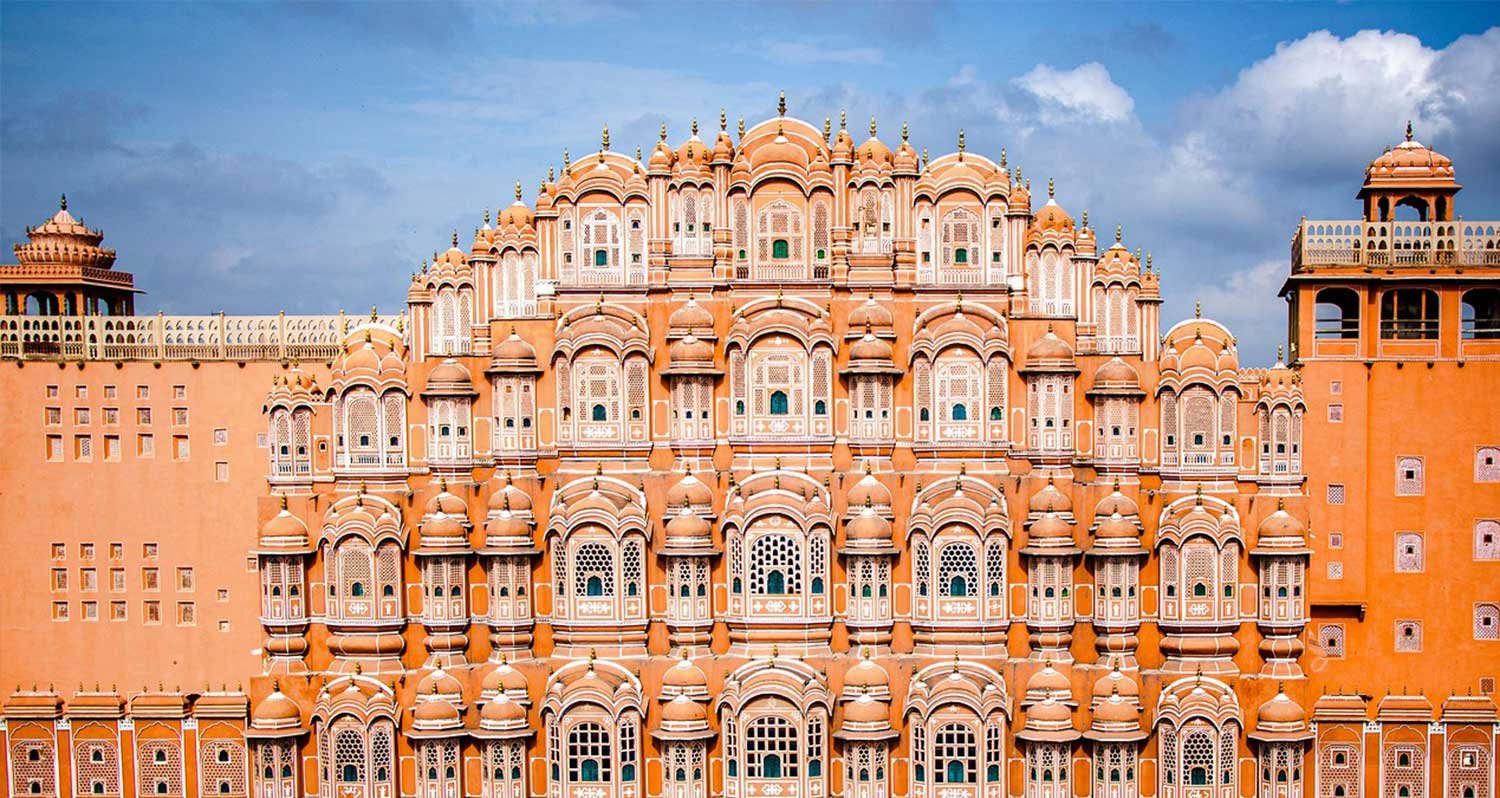
Jaipur: The Pink City Delivers — If You Go Beyond the Surface
What you expect: A photogenic pink city with a grand fort.
The reality: Jaipur is all of that, but it’s also a fully functioning, traffic-choked modern city. The magic is real — Amber Fort is jaw-dropping, the City Palace is magnificent, Jantar Mantar is strange and wonderful — but navigating between sites, managing touts, and finding the genuinely good local experiences requires either local knowledge or a lot of patience.
The bazaars of Jaipur are among India’s best for textiles, jewellery, and handicrafts — but also among the most competitive for pushy selling. A guided market-walk with someone who knows the difference between genuine craft and tourist-grade production changes what you come home with.
Block-printing workshops, blue pottery studios, and cooking classes with local families are the kind of experiences that make Jaipur memorable long after the fort photographs fade. These are the local experiences a good travel company builds into your itinerary — not as afterthoughts, but as highlights.
The Golden Triangle: Doing It Right
What most people get wrong:
| Common Mistake | Better Approach |
| Rushing all three cities in 5 days | Allow 7–9 days minimum |
| Relying on shared tourist buses | Chauffeur-driven AC car for transfer between cities and sightseeing |
| Booking guides on the street | English speaking local guides arranged in advance by travel company |
| Staying in budget guesthouses to save money | Mid-range boutique, modern hotels and homestays add enormously to the experience |
The drive between cities — Delhi to Agra, Agra to Jaipur, Jaipur back to Delhi — takes three to five hours each depending on traffic. In a private, air-conditioned car with a professional driver, it’s comfortable and scenic. On a shared tourist bus, it’s a different proposition entirely. Most travellers who’ve done both don’t go back to the bus.
Why a Travel Company Makes the Golden Triangle Work
The Golden Triangle is India’s most visited circuit — which means it’s also where the most tourist-facing scams, pressure selling, and logistical friction occur. A specialist travel company removes all of that. Once you book with a travel company, your accommodation reserved, your driver knows the roads and the timings, and your guides are licensed, knowledgeable, and invested in giving you a genuine experience rather than steering you towards commission-paying shops.
More than logistics, a good travel company shapes an itinerary that balances the iconic with the unexpected — the Taj at sunrise, yes, but also the spice market in Old Delhi, an evening with a local family in Jaipur, a stop at a roadside dhaba for breakfast that you’d never find on your own. That’s the difference between a trip to India and an experience of India.
Key Takeaways
- The Golden Triangle delivers on its reputation — but rewards those who go deeper.
- Allow at least 7–9 days and resist the urge to rush.
- Private, chauffeur-driven transfers between cities make the journey part of the experience.
Frequently Asked Questions
Q: What is the best way to travel between Delhi, Agra, and Jaipur?
A: A private, chauffeur-driven air-conditioned car is the most comfortable and flexible option. Trains are a good alternative for the Delhi–Agra leg. Your travel company will recommend the best combination based on your schedule and preferences.
Q: Is the Golden Triangle suitable for first-time visitors to India?
A: It’s one of the best introductions to India — iconic enough to feel rewarding, and well-travelled enough to be manageable. First-timers benefit enormously from having a travel company handle the logistics, particularly for navigating major sites like the Taj Mahal and Old Delhi.
Q: Can I do the Golden Triangle independently?
A: Yes, but it takes significantly more planning and tolerance for friction. Most first-time visitors find that a structured tour with private transfers and guided sightseeing lets them see far more and enjoy it far more — the Golden Triangle is not a place where DIY saves much money relative to the stress it adds.
Is Rajasthan Safe for Western Tourists? A Complete 2026 Safety Guide
Is Rajasthan Safe for Western Tourists? A Complete 2026 Safety Guide Rajasthan is where most people fall in love with India. The forts, the palaces, the desert landscapes, the colours — it delivers on every promise. It’s also one of the most visited regions in the…
Hidden Gems in Delhi: 7 Secret Places You Must Visit in 2026
Hidden Gems in Delhi: 7 Secret Places You Must Visit in 2026 Delhi overwhelms first-time visitors. The traffic, the noise, the sheer scale of it — most tourists retreat to the Golden Triangle highlights and leave thinking they’ve seen the city. They haven’t. Delhi…
First Time in India: The Complete Travel Guide for 2026 (USA, UK, Canada & Australia)
First Time in India: The Complete Travel Guide for 2026 (USA, UK, Canada & Australia) Introduction India doesn’t ease you in. The moment you step off the plane — the heat, the colour, the noise, the scent of jasmine and spice — it hits you all at once. For…