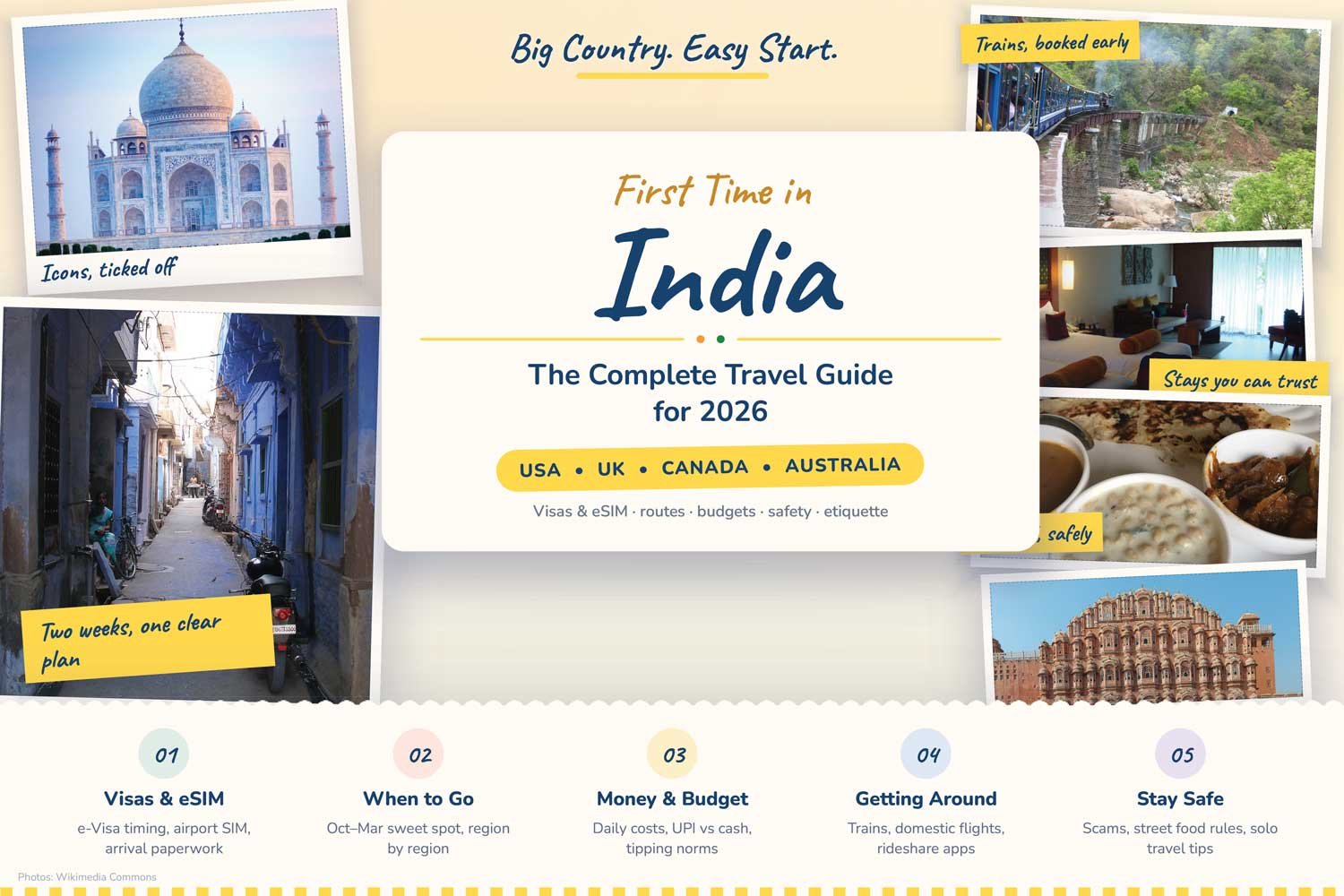
First Time in India: The Complete Travel Guide for 2026 (USA, UK, Canada & Australia)
India doesn't ease you in. The moment you step off the plane — the heat, the colour, the noise, the scent of jasmine and spice — it hits you all at once. For first-time visitors, it can feel utterly overwhelming. It can also be the most extraordinary journey of your life.
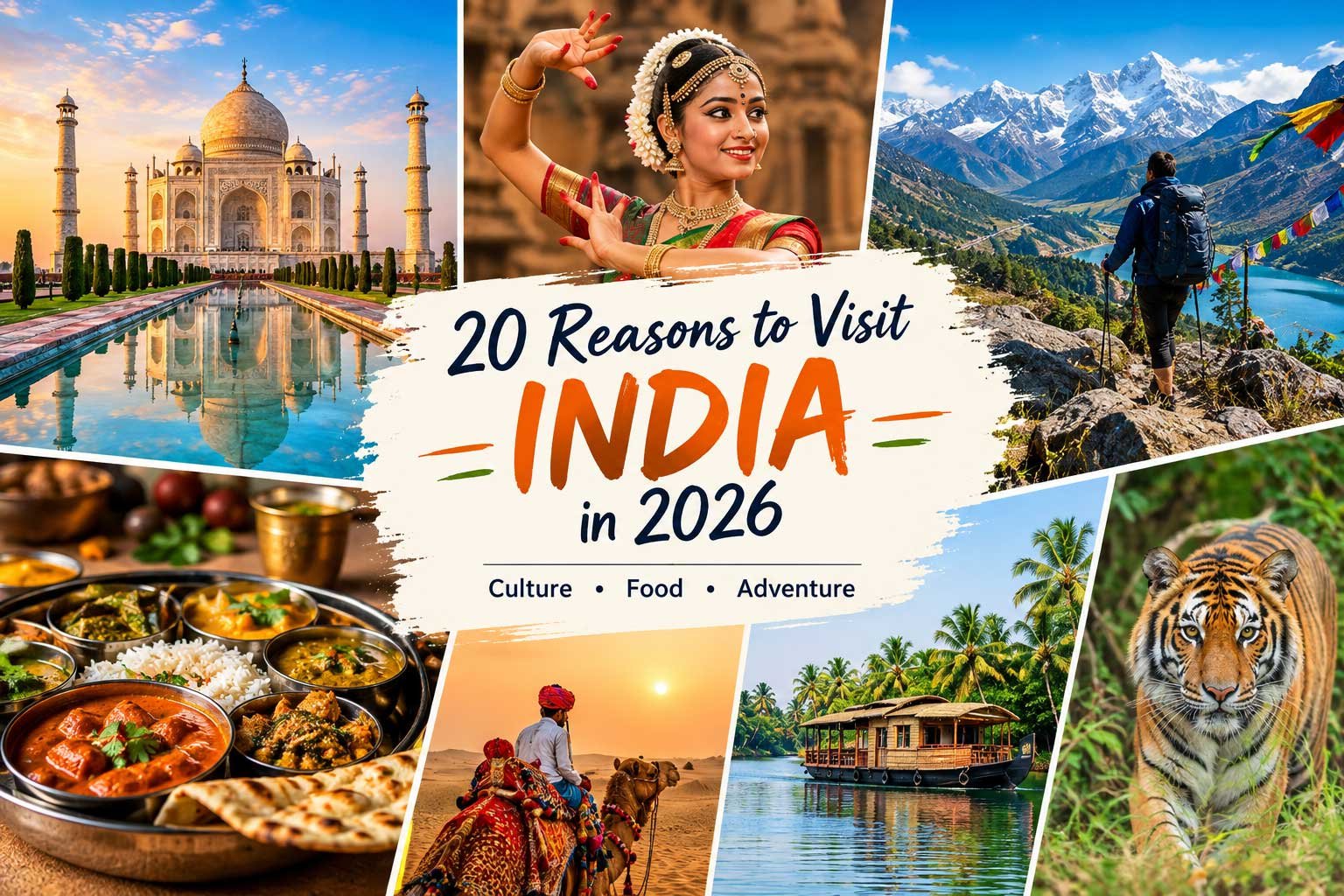
More than 20 million international tourists visit India every year. But raw numbers don't capture the truth: India is not one country so much as a continent's worth of cultures, landscapes, languages, and cuisines packed into a single border. The Rajasthan you see in photos is real. So is the backwater silence of Kerala, the chaotic energy of Mumbai, and the Himalayan stillness of Ladakh.
This guide is written specifically for first-time travelers from the USA, UK, Canada, and Australia. It covers everything — visas, vaccinations, costs, safety, the best itineraries, what to pack, and how to navigate the cultural nuances that will make the difference between an exhausting holiday and a genuinely life-changing trip.
Table of Contents
- Why India Should Be Your Next Big Trip
- Best Time to Visit India
- Visa Requirements for USA, UK, Canada & Australia
- How Much Does India Cost?
- Best First-Time Itineraries
- Top Destinations for First-Timers
- Getting Around India
- Where to Stay in India
- Food & Drink: What to Eat and What to Avoid
- Health & Vaccinations
- Safety in India
- Cultural Etiquette Tips
- What to Pack for India
- Booking Your India Tour Package
- FAQ
- Conclusion & Call to Action
Why India Should Be Your Next Big Trip
India is one of the few destinations left that genuinely surprises even seasoned travelers.
For English-speaking travelers from the USA, UK, Canada, and Australia, it is also surprisingly accessible. English is widely spoken in tourist areas, hotels, and transport hubs. The infrastructure for tourism — from heritage hotel chains to private tour operators — is mature, professional, and geared toward international visitors.
The question isn't whether to visit India. It's how to do it right the first time.
Best Time to Visit India
India is a vast country with wildly different climates by region. There is no single "best" month — but there is a right time for each type of trip.
| Season | Months | Best Regions | Notes |
|---|---|---|---|
| Peak Season (Winter) | October – March | Rajasthan, Golden Triangle, Kerala, Goa | Best weather nationwide. Book early. |
| Shoulder Season | September, April | Rajasthan, Hills, South India | Fewer crowds, slightly higher humidity |
| Monsoon | June – September | Kerala, Northeast, | Lush landscapes; some areas flood |
| Summer | April – June | Himalayas, Ladakh, Spiti Valley | North India too hot; mountains perfect |
For first-timers, October to February is the safest bet. Temperatures are mild across Rajasthan and North India (15–28°C / 59–82°F), humidity is low, and the major monuments are at their most accessible.
Avoid May and June in the plains. Delhi and Agra regularly hit 45°C (113°F) — genuinely dangerous heat for travelers not acclimatized to it.
Visa Requirements for USA, UK, Canada & Australia
India offers an e-Visa for citizens of all four countries. It is applied for online, takes 72 hours to process (often faster), and is far simpler than the old paper-based system.
e-Visa Details
- Application: indianvisaonline.gov.in
- Cost: USD 25 (30-day), USD 40 (1-year), USD 80 (5-year) — prices change; verify before applying
- Processing time: 72–96 hours (apply at least 4 business days before travel)
- Validity: 30 days (double entry), 1 year or 5 year (multiple entry)
- Entry ports: Most major airports and select seaports
Practical Tips
- Upload a clean, white-background passport photo and a clear scan of your passport bio page.
- Double-check that your passport is valid for at least 6 months beyond your entry date.
- Print the e-Visa approval letter — immigration officers will check it on arrival.
- UK citizens: the UK is eligible for e-Visa but note that processing sometimes takes longer during peak season (December–January). Apply at least a week in advance.
How Much Does India Cost?
India can be a budget destination, a mid-range trip, or a full luxury experience — sometimes all three in the same week. Here's what to realistically budget.
Daily Budget Estimates
| Travel Style | Daily Cost (USD per person per day) | What You Get |
|---|---|---|
| Budget | USD 100-150 | Guesthouses, local food, second-class trains |
| Mid-Range | USD 150–250 | 3–4 star hotels, private taxis, guided tours |
| Luxury | USD 300–1000+ | Heritage palaces, private drivers, fine dining |
Key Costs to Know
- Domestic flights: USD 30–80 one way on budget carriers (IndiGo, Air India, SpiceJet)
- Taj Mahal entry: USD 15 for foreigners (INR 1,300) — check current rates before visiting
- Auto-rickshaw in cities: USD 1–3 for most short trips
- Meal at a good restaurant: USD 5–15 mid-range; USD 30–60 at a fine-dining restaurant
- Bottled water (1 litre): USD 0.30–0.50
India is not as cheap as it was a decade ago, but it remains of extraordinary value compared to Southeast Asia for the quality of experiences on offer — particularly in luxury heritage hotels.
Best First-Time Itineraries
Option 1: The Classic Golden Triangle (7–10 Days)
Delhi → Agra → Jaipur → Delhi
This is the most popular first-timer route for good reason. It covers three iconic cities, can be completed in a week, and is well-served by tour operators and private drivers.
Option 2: Golden Triangle + Rajasthan Extension (14–16 Days)
Add Jodhpur, Udaipur, and Pushkar to the classic route for a deeper Rajasthan experience. This is the most popular itinerary for luxury travelers and those on a second trip — but many first-timers choose it for the variety.
Option 3: South India Contrast (10–14 Days)
Mumbai → Goa → Kochi → Kerala Backwaters → Munnar
Ideal for travelers who prefer beach, culture, and nature over forts, and palaces. South India is generally more relaxed, the cuisine is different (lighter, coconut-based), and the pace suits travelers who find North India's intensity a challenge.
Option 4: Spiritual India (10–12 Days)
Varanasi → Bodh Gaya → Rishikesh → Haridwar
For travelers drawn to India's spiritual aspect. Varanasi on the Ganges is one of the oldest living cities on Earth. This route requires slightly more planning but delivers an unforgettable, deeply human experience.
Top Destinations for First-Timers
Delhi
India's capital is the logical gateway for most international flights. It is chaotic, magnificent, and exhausting in equal measure. Give it at least two full days.
Don't miss: Humayun's Tomb (less crowded than the Taj), the street food of Old Delhi, and the Qutub Minar complex at sunset.
Agra
One city, one reason: the Taj Mahal. Visit at sunrise on your first morning to see it in golden light before the crowds arrive. The entry queue opens at 6:00 AM.
Don't miss: Agra Fort (often overlooked, genuinely impressive) and the craftsman workshops producing inlaid marble in the Taj Mahal tradition.
Jaipur
The Pink City of Rajasthan is the most visitor-friendly city in India for first-timers. It has excellent hotels at every price point, organised bazaars, and monuments within easy reach.
Don't miss: Amber Fort (arrive early, hire a licensed guide), the rooftop view of Hawa Mahal from the café opposite, and a cooking class in Jaipur hosted by a local family.
Varanasi
Not for everyone, but unforgettable. The Ganga Aarti ceremony at Dashashwamedh Ghat at dusk — priests performing synchronized fire rituals to a crowd of thousands — is one of the most visually overwhelming spectacles in the world.
Don't miss: A dawn boat ride on the Ganges. The light, the ghats, the rituals unfolding on the riverbank — this is the India that stays with you forever.
Kerala
The antidote to the intensity of the North. Kerala moves slower. The backwater houseboat journey from Alleppey is deeply peaceful — a night floating through palm-lined canals with home-cooked Kerala meals on board.
Don't miss: Fort Kochi's Chinese fishing nets at sunrise, a traditional Kathakali performance, and the spice gardens of Munnar.
Goa
India's beach state is the easiest entry point for first-timers nervous about India's intensity. It has excellent restaurants, well-organised beach towns, and a distinctly Portuguese-inflected culture.
Don't miss: North Goa's Anjuna and Vagator beaches for the relaxed café culture; South Goa's Palolem for the most beautiful beach; and Old Goa's 16th-century Portuguese churches.
Getting Around India
Domestic Flights
The fastest and most practical option for covering long distances. Book at least two weeks ahead for the best fares.
Trains
Indian Railways is one of the great travel experiences of the world — and a genuinely practical way to move between cities. For first-timers, book AC 2-Tier (2A) or AC 1st Class (1A) for overnight journeys: clean, air-conditioned, with bedding provided.
Book via the IRCTC website or app. Note: foreign travelers need to register on IRCTC (allow 48 hours for verification). Alternatively, book through your tour operator.
Private Driver / Car Hire
The most comfortable option for touring multiple cities in a region. A private car with driver for the Golden Triangle typically costs USD 150–250 for the full circuit (3–4 days). Your hotel or tour operator can arrange this reliably.
Taxis & Rideshare
Uber and Ola both operate in Indian cities and are far more reliable than hailing street taxis. Use them for city transfers. Fares are displayed upfront in the app.
Auto-Rickshaws
The classic three-wheeled tuk-tuks. Good for short distances. Always agree on a price before getting in (or insist on the meter) unless you're using an app-based auto service.
Where to Stay in India
Food & Drink: What to Eat and What to Avoid
Indian food is one of the great culinary traditions of the world. First-timers often underestimate how varied it is — what you eat in Rajasthan bears almost no resemblance to what you eat in Kerala or Bengal.
Regional Food Guide
| Region | Must-Try Dishes |
|---|---|
| Delhi / North India | Butter chicken, dal makhani, chole bhature, paranthas |
| Rajasthan | Dal baati churma, laal maas, ker sangri |
| Mumbai | Vada pav, pav bhaji, Bombay sandwich |
| Goa | Fish curry rice, prawn balchão, bebinca |
| Kerala | Kerala fish curry, appam, puttu, sadya (banana leaf feast) |
| Varanasi | Kachori sabzi, lassi, malaiyo (winter only) |
Food Safety for First-Timers
- Stick to bottled or filtered water. Never drink tap water. This includes brushing teeth — use bottled water for the first week until your stomach adjusts.
- Avoid raw salads, cut fruit from street stalls, and ice in drinks at lesser-known restaurants.
- Street food is generally safe if it's freshly cooked in front of you and the stall is busy. A busy stall means high turnover — food isn't sitting out for hours.
- Start mild. Indian food can be significantly spicier than Indian restaurant food at home. Ask for "medium spice" (not "no spice" — that rarely works) until you know your tolerance.
Health & Vaccinations
Consult your GP or a travel health clinic at least 6–8 weeks before departure.
Recommended Vaccinations
- Hepatitis A and B
- Typhoid
- Tetanus / Diphtheria / Polio (ensure boosters are current)
- Rabies (recommended for longer trips or adventure travel)
- Japanese Encephalitis (for rural travel in certain regions)
Malaria
Malaria risk exists in some parts of India, particularly rural areas and during monsoon season. Your doctor will advise on prophylaxis based on your specific itinerary. The main tourist circuit (Golden Triangle, Rajasthan, Goa, Kerala) carries relatively low risk but is not zero.
Delhi Belly
The gastrointestinal adjustment is real. Most first-timers experience some degree of stomach issues in the first few days. Carry oral rehydration salts, loperamide (Imodium), and a course of antibiotics prescribed by your doctor for emergency use. Stay hydrated.
Safety in India
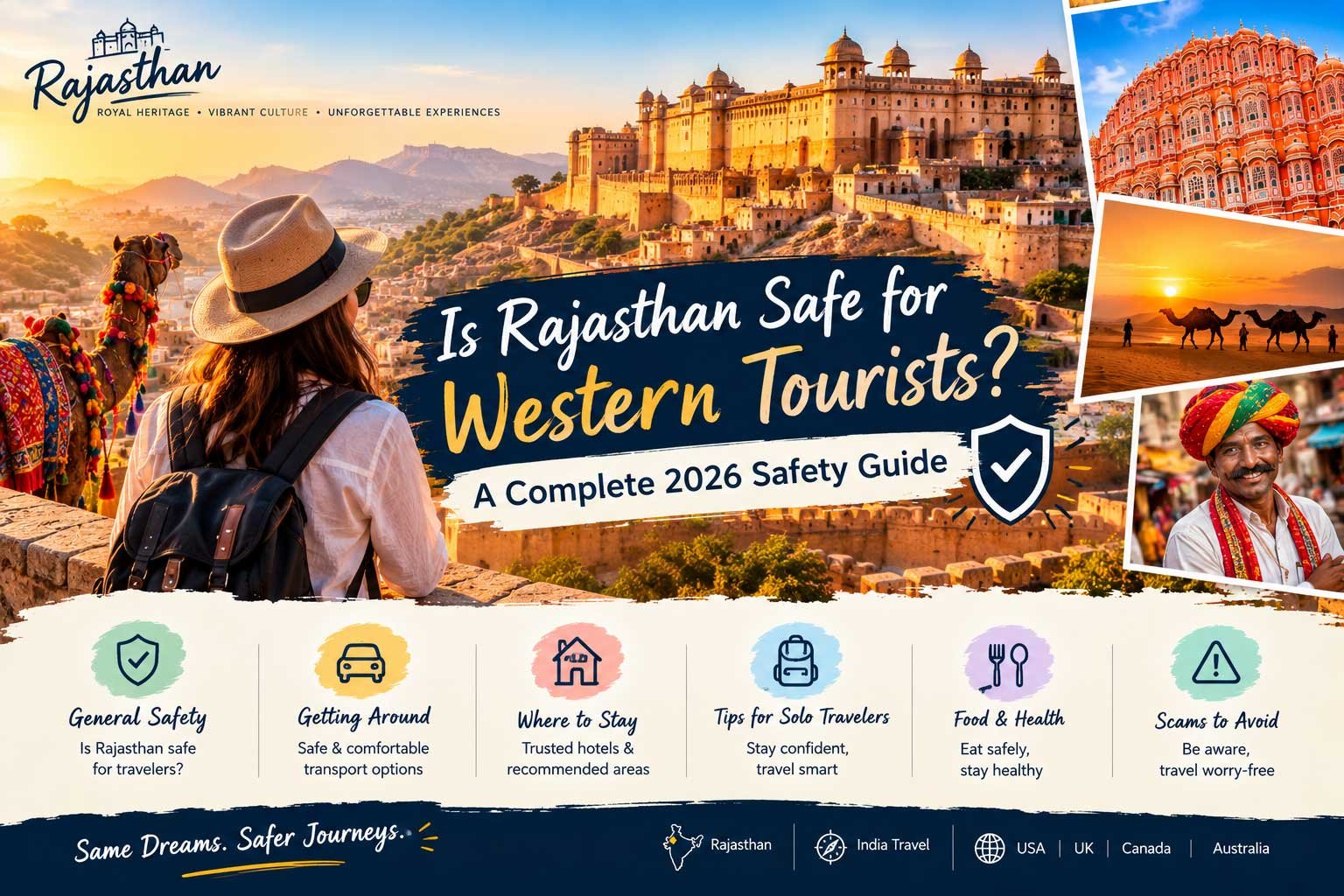
India is significantly safer than its international reputation suggests — particularly for tourists on organised itineraries. That said, informed vigilance matters.
General Safety
- The main risks are petty theft, scams, and road traffic accidents — all manageable with awareness.
- Book accommodation and transport in advance for your first few days. Arriving at a major Indian airport with no plan is the fastest route to being overcharged or misdirected.
Common Scams to Know
- "The monument is closed today" — a stranger outside a monument tells you it's closed and offers to take you to a better one (which is usually a shop). Check opening times yourself before you go.
- Taxi overcharging at airports — use pre-paid taxi counters inside arrivals, or Uber/Ola.
- Gem export scam — someone asks you to carry "a gift" home to a contact abroad. Always refuse.
- Free guides — friendly strangers who offer to show you around and expect money (or a commission at a shop) at the end.
Solo Female Travel
India can be a challenging destination for solo female travelers, particularly in North India. That said, millions of women travel India solo every year — safely and meaningfully.
- Dress modestly, especially outside major cities and in religious sites (shoulders and knees covered).
- Use app-based taxis rather than hailing rides.
- Book reputable accommodation with 24-hour reception.
- Trust your instincts. India has an overwhelming amount of social interaction — it's fine to be firm about not engaging.
- Consider joining a small group tour for your first visit.
Cultural Etiquette Tips
A little cultural awareness goes a very long way in India.
Temples and Religious Sites
- Remove shoes before entering temples, mosques, and most historic buildings. (Carry a small bag to hold them or use paid shoe storage at popular sites.)
- Dress modestly — shoulders and knees covered. Many temples provide wraps at the entrance.
- Ask before photographing religious ceremonies or people in prayer.
- Non-Hindus are not permitted inside the inner sanctum of some Hindu temples. Respect this without question.
Social Customs
- The head wobble (side-to-side motion) means "yes" or "understood" — it is not a negative signal.
- Use your right hand for eating, passing items, and gesturing. The left hand is considered unclean.
- Haggling is expected in markets. It is a social exchange, not a confrontation. Be cheerful about it.
- Avoid showing affection publicly — holding hands is generally fine; kissing is not appropriate outside of tourist areas.
- If invited into someone's home, remove your shoes at the door and bring a small gift (sweets are always appropriate).
Tipping
Tipping is not obligatory but is widely appreciated.
| Service | Suggested Tip |
|---|---|
| Restaurant | 10% of the bill |
| Hotel porter | INR 50–100 per bag |
| Driver (day trip) | INR 500–600 per day |
| Tour guide (full day) | INR 800–1,000 per day |
| Hotel housekeeping | INR 100–200 per day |
What to Pack for India
Clothing
- Lightweight, loose-fitting clothes in natural fabrics (linen, cotton). India is hot and dusty.
- A light scarf or stole (invaluable for temple visits, sun protection, and cold AC on buses and planes)
- Comfortable walking shoes that are easy to slip on and off (you will remove them constantly)
- Sandals for beach destinations and evenings
- One warmer layer if visiting October–February in North India (Delhi mornings can be 8–12°C / 46–54°F)
Health & Hygiene
- Hand sanitiser (carry it everywhere)
- Wet wipes
- Sunscreen (SPF 50+ — expensive and hard to find in the right SPF in smaller towns)
- Insect repellent (DEET-based for higher-risk areas)
- Personal medications and a prescription from your doctor
- Antidiarrheal medication, rehydration salts
- Small first aid kit
Tech & Documents
- Universal travel adaptor (India uses Type C, D, and M plugs)
- Power bank (power outages still occur in some areas)
- Offline maps downloaded (Google Maps works offline in India — download the region before you go)
- Digital and physical copies of passport, e-Visa, and travel insurance
Documents Checklist
- ✅ Passport (valid for 6+ months beyond entry date)
- ✅ Printed e-Visa approval letter
- ✅ Travel insurance documents (with 24-hour emergency number)
- ✅ Hotel booking confirmations
- ✅ Emergency contacts list (separate from your phone)
Booking Your India Tour Package
Independent travel in India is entirely possible — but for first-timers, a professionally arranged private tour removes the friction and lets you focus on the experience rather than the logistics.
A good India tour package for first-timers typically includes:
- Pre-arranged airport transfers
- Carefully selected accommodation
- Private driver for inter-city travel
- English-speaking local guides at key monuments
- Flexible itinerary with free time built in
- 24/7 local support contact
Expect to pay USD 150–250 per person per day for a well-organised private mid-range tour, or USD 300–1000+ per day for luxury. This is the total cost including accommodation, transport, and guides — not including international flights.
FAQ
Is India safe for first-time travelers?
Yes — the vast majority of first-time visitors to India have safe, memorable trips. The most common issues are petty theft and stomach bugs, both of which are easily managed with preparation. Violent crime against tourists is rare. Book reliable accommodation and transport in advance, use app-based taxis in cities, and stay alert to common tourist scams.
How many days do I need for my first trip to India?
A minimum of 10 days is recommended for a meaningful first trip. The Golden Triangle (Delhi, Agra, Jaipur) can be done in 7 days, but you will feel rushed. 14 days allows a much more relaxed pace and the opportunity to add a second region — Rajasthan, Kerala, or Goa.
Do I need travel insurance for India?
Absolutely yes. India's private hospitals are excellent, but medical costs for serious illness or injury can be high. Ensure your policy covers medical evacuation, since not all treatments are available everywhere. Check that your policy explicitly covers India and any adventure activities you plan to do.
What should I wear in India as a tourist?
Loose, lightweight, modest clothing is ideal. Shorts and sleeveless tops are fine in beach destinations (Goa, Kerala coast) and in hotels. For temples, bazaars, and rural areas, cover shoulders and knees. Women travelling in North India will find that a scarf worn over the shoulders significantly reduces unwanted attention.
Can I drink tap water in India?
No. Tap water is not safe to drink. Stick to bottled water (look for the ISI mark on the bottle cap — it indicates the seal is intact) or filtered water provided by reputable hotels. This applies to brushing teeth, especially for the first week.
Is India suitable for luxury travel?
India has some of the finest hotels in the world. Palace hotels in Rajasthan, tented camps in Ranthambore, floating palaces in Udaipur — the luxury end of Indian travel is extraordinary. The contrast between palaces and the street outside is part of what makes India a uniquely compelling luxury destination.
How do I get an Indian e-Visa?
Apply at indianvisaonline.gov.in. You will need a digital passport photo, a scan of your passport, and a credit/debit card. Processing takes 72–96 hours. Apply at least 5 business days before departure. Citizens of the USA, UK, Canada, and Australia are all eligible for the e-Visa.
Conclusion
India will challenge you. It will confuse you. It will occasionally exhaust you. And if you let it, it will become the best journey of your life.
The key to a successful first trip is preparation and perspective. Prepare practically — visa, vaccinations, insurance, accommodation, transport. And prepare mentally: India operates on its own rhythms. Things happen differently here. Plans change. Embrace it rather than fight it, and you will be rewarded with experiences that no other destination on Earth can offer.
The travellers who return from India saying it was overwhelming are often the same ones who book their second trip six months later. That is India's particular power.
Start Planning Your First India Trip
Our team specialises in creating private, tailor-made India tours for first-time visitors from the USA, UK, Canada, and Australia. We handle every detail — from your first hotel check-in to your final airport transfer — so you can focus entirely on the experience.
Get a free, personalised India itinerary from our expert team.
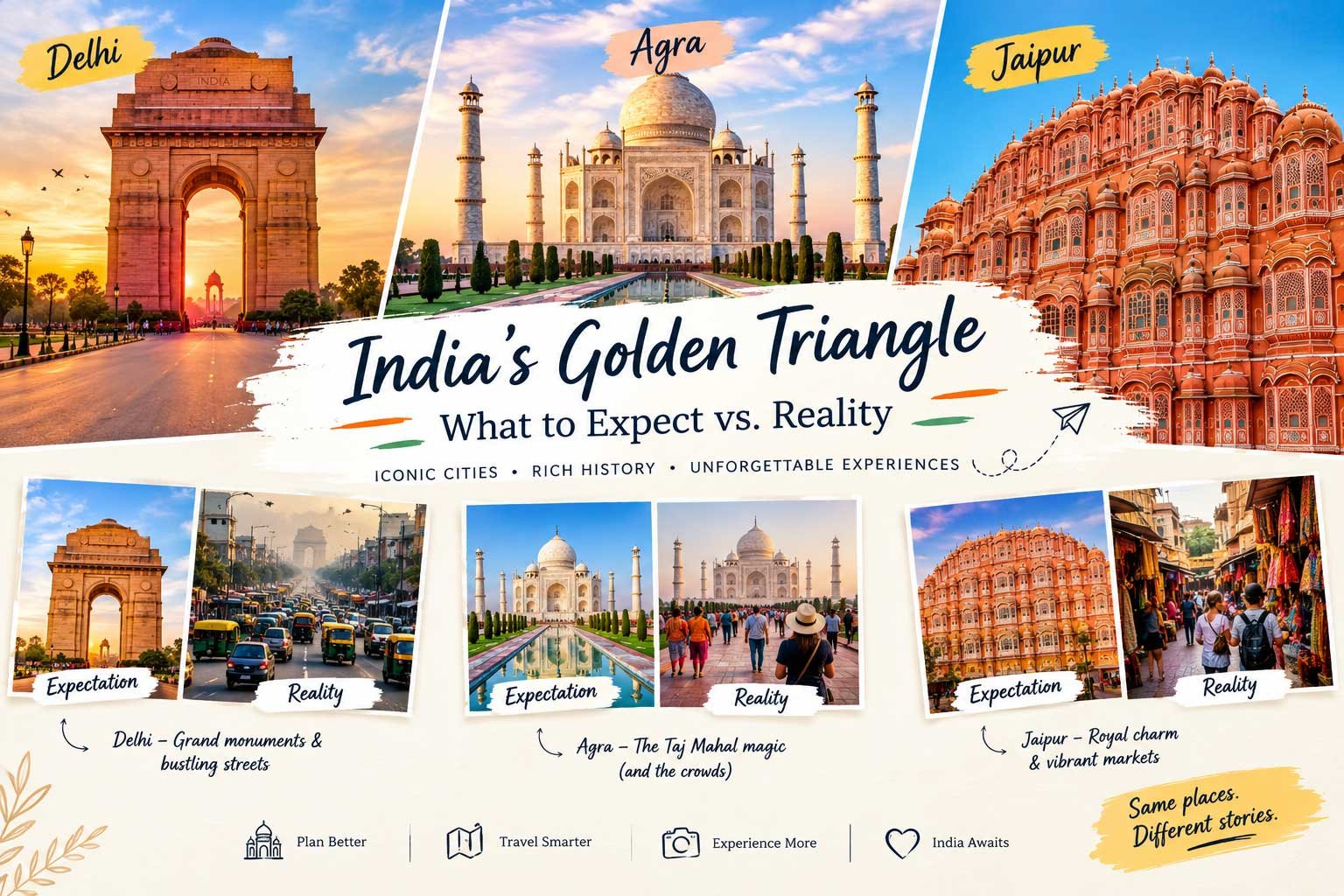
India’s Golden Triangle: What to Expect vs. Reality
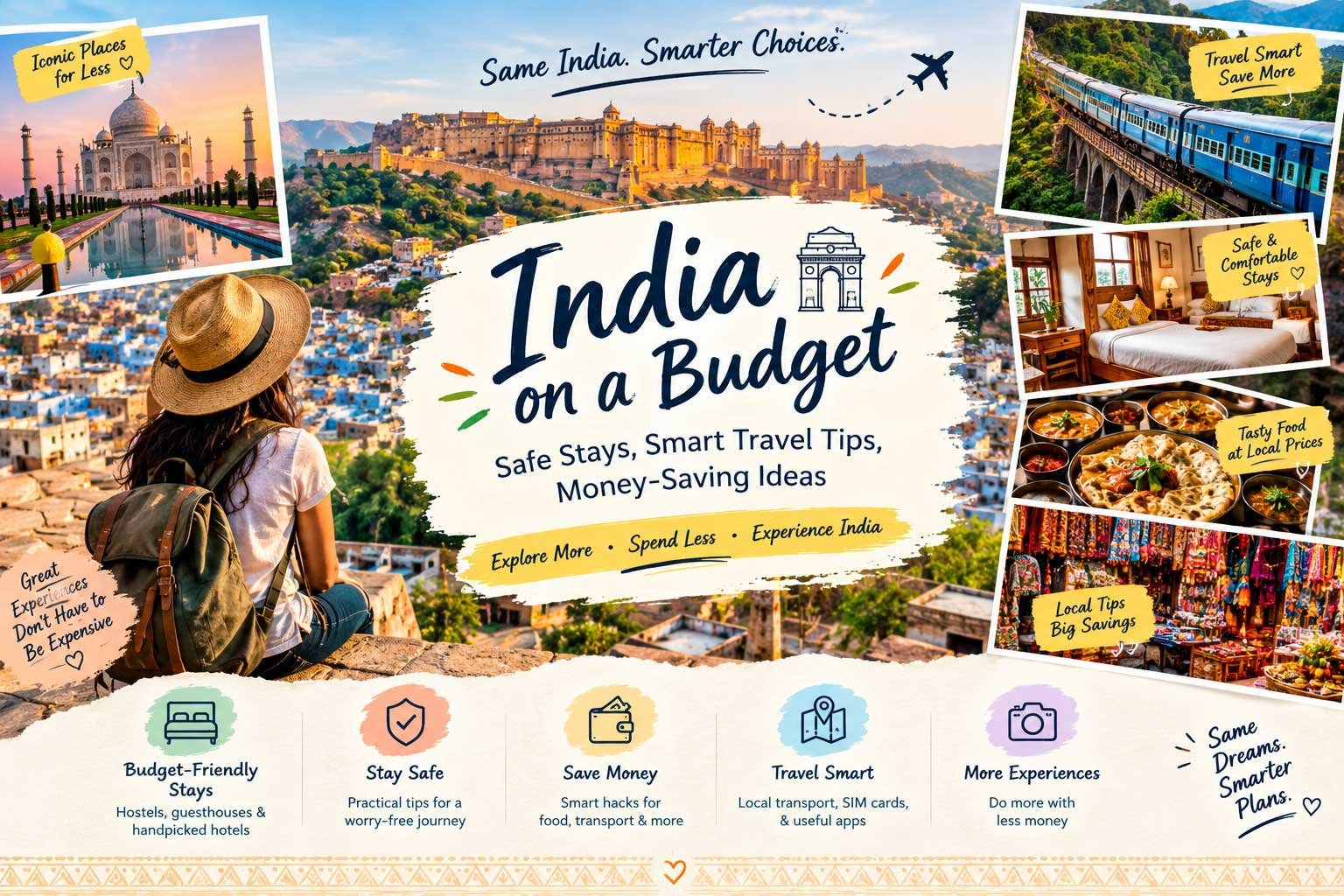
India on a Budget: Safe Stays, Smart Travel Tips & Money-Saving Ideas
Is India Safe for Western Travellers in 2026?
20 Reasons to Visit India in 2026: Culture, Food & Adventure
Is Rajasthan Safe for Western Tourists? A Complete 2026 Safety Guide