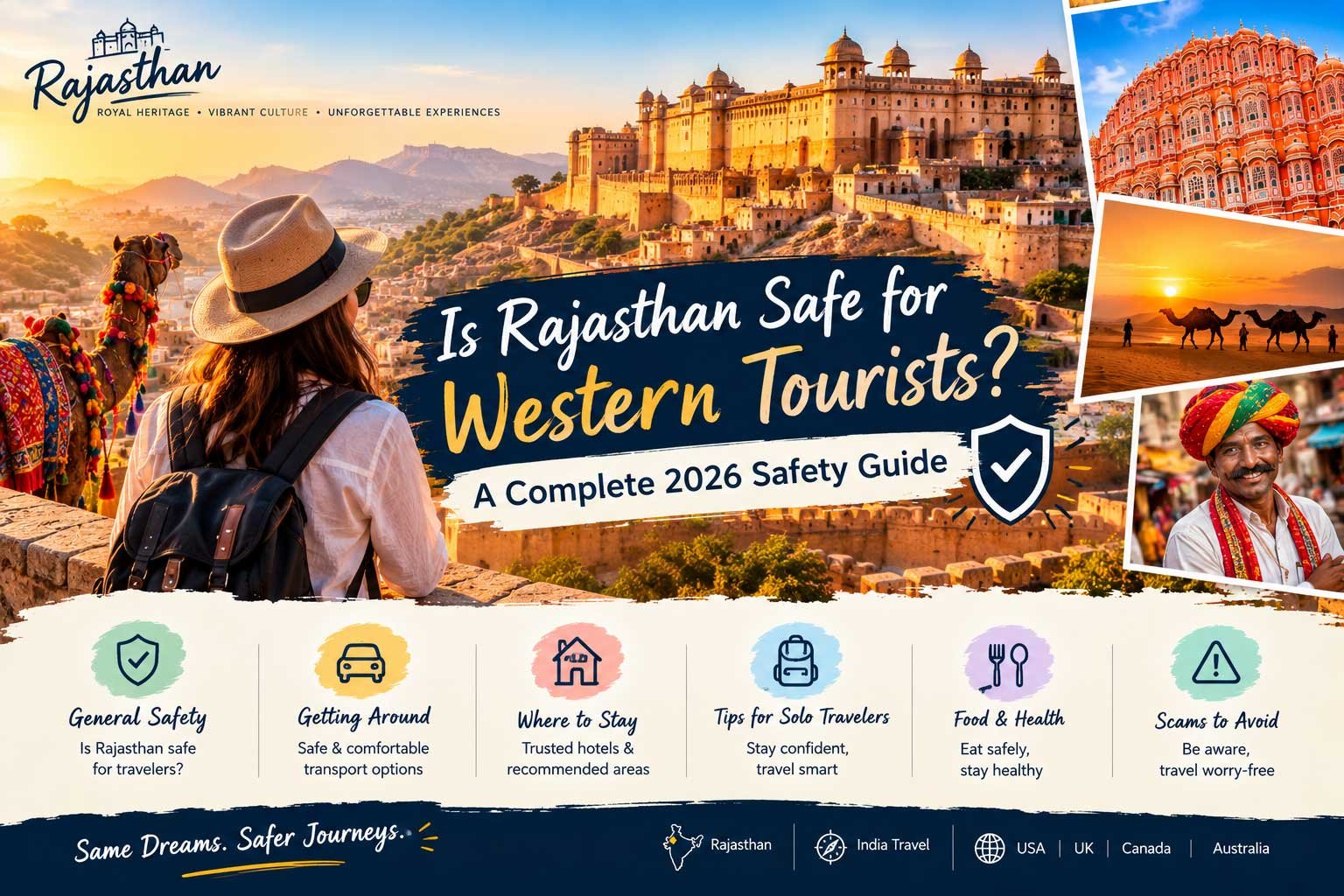
Is Rajasthan Safe for Western Tourists? A Complete 2026 Safety Guide
Rajasthan is where most people fall in love with India. The forts, the palaces, the desert landscapes, the colours — it delivers on every promise. It’s also one of the most visited regions in the country, which means its tourism infrastructure is well-developed, its people are accustomed to international visitors, and its major destinations are genuinely manageable for first-timers.
That doesn’t mean you arrive and wing it. Rajasthan rewards preparation. Here’s what you need to know.
The Safety Picture in Rajasthan
Rajasthan is among India’s safer destinations for Western tourists. Violent crime targeting visitors is extremely rare. The risks that do exist are the familiar ones — petty scams, overcharging, persistent touts, and the occasional dodgy taxi driver — rather than anything more serious.
The tourist circuit — Jaipur, Jodhpur, Udaipur, Jaisalmer, Pushkar, Ranthambore — is well-travelled and well-supported. Police tourist assistance units operate in all major cities. Hotels are plentiful across all price ranges. Medical facilities exist in the main cities, though they vary considerably in quality outside Jaipur.
The main safety considerations in Rajasthan are practical rather than serious: heat, dehydration, food and water hygiene, and the transport decisions you make on the ground.
City by City: What to Expect
Jaipur
The Pink City is Rajasthan’s most visited destination and its most tourist-ready. Amber Fort, the City Palace, Hawa Mahal — all well-managed, well-signed, and accessible. The old city bazaars are vibrant but come with persistent selling pressure. A licensed local guide cuts through the noise and takes you to the real experiences rather than the commission-driven ones.
Jodhpur
The Blue City is increasingly on the international radar and feels less saturated than Jaipur. Mehrangarh Fort is one of India’s finest, and the old city beneath it is extraordinary to explore on foot — with guidance. The rooftop restaurants overlooking the blue lanes are genuinely special. Jodhpur also makes an excellent base for village visits into the surrounding countryside, where Bishnoi communities maintain centuries-old traditions of environmental conservation. Your travel company can arrange these as half-day excursions — the kind of experience that transforms a fort visit into an encounter with living culture.
Udaipur
Often called India’s most romantic city, and it earns the description. Lake Pichola, the City Palace, the ghats at dusk — Udaipur is Rajasthan at its most refined. It also has excellent hotels, including some of India’s most celebrated heritage properties. Your travel company can arrange stays in restored havelis and lake-view palaces that turn accommodation into an experience in itself. Udaipur is also one of Rajasthan’s safest cities for independent evening walks — the lake district is pleasant and well-lit.
Jaisalmer
The desert fort city requires the most logistical planning. It’s remote — a five-hour drive or overnight train from Jodhpur — and the camel safari and desert camp industry around it is wildly variable in quality. The difference between a well-run desert camp with comfortable facilities and a genuine night under the stars, and an overcrowded tourist camp with poor hygiene and aggressive selling, comes entirely down to who books it. Your travel company will use operators they’ve vetted personally. This is exactly where local knowledge earns its keep.
Pushkar
One of India’s most sacred cities, built around a holy lake, and one of its most traveller-friendly. The ghats, the Brahma Temple, the camel fair in November — Pushkar is small enough to navigate easily and atmospheric enough to justify two nights. Respectful dress and behaviour around the lake and temples matters — your guide will brief you, but the basic rule is cover up and follow the lead of those around you.
Ranthambore
India’s most celebrated tiger reserve, and genuinely worth the detour. Jeep safaris run twice daily — dawn and dusk — and the chance of tiger sightings is among India’s best. Accommodation ranges from budget guesthouses to exceptional wildlife lodges. Your travel company will book the right safari slots, the right accommodation, and make sure you’re in the best possible position for wildlife encounters.
The Scams Worth Knowing
Rajasthan’s tourist circuit comes with well-established scam patterns. Knowing them in advance removes their power entirely.
The gem export scam is concentrated in Jaipur — someone suggests you can profit by carrying gems home for resale. You can’t. Walk away.
Fixed-price shop “recommendations” from guides, drivers, and hotel staff who receive commission. A travel company’s guides are vetted specifically to avoid this.
Camel safari overcharging and bait-and-switch in Jaisalmer — the price agreed upfront doesn’t match the experience delivered. Pre-booked through a reputable company, this doesn’t happen.
Fake “government” tourist offices in Jaipur and Jodhpur that sell overpriced tours. The real Government of India Tourist Office is a single office — everything else is private.
Why a Travel Company Changes the Rajasthan Experience
Rajasthan is large. The distances between cities are significant — Jaipur to Udaipur is six hours, Jodhpur to Jaisalmer is five. Those journeys in a private, chauffeur-driven, air-conditioned car — with a driver who knows the roads and the stops worth making along the way — are part of the experience. A roadside chai at a desert truck stop. A detour to a step-well that doesn’t appear in the guidebook. A pause for a sunset over the Thar that no itinerary could have planned.
On a shared tourist bus or unreliable local hire, those same journeys are endurance tests.
Beyond transport, a specialist travel company in Rajasthan means vetted heritage hotels that connect you to the region’s history, licensed guides at every major site who bring the stories alive, pre-booked safari slots and desert camps that deliver what they promise, and local experiences — village visits, cooking classes, textile workshops, folk music evenings — that reveal the living culture behind the monuments.
Rajasthan is one of India’s great travel destinations. A travel company makes sure you experience it, not just pass through it.
Practical Notes
Best time to visit: October to March. Rajasthan summers (April–June) are extreme — temperatures regularly exceed 45°C and outdoor exploration is punishing.
Dress code: Modest dress is appreciated throughout Rajasthan, especially at religious sites. Lightweight cotton works well — it handles the heat and satisfies local custom.
Water: Bottled water only, everywhere. Carry it constantly — dehydration in the desert heat catches visitors off guard.
Health: Carry a basic medical kit. Good hospitals exist in Jaipur; facilities in Jaisalmer are limited. Travel insurance with medical evacuation cover is essential.
Key Takeaways
Rajasthan is one of India’s safest and most rewarding regions for Western visitors.
The main risks are practical — heat, scams, variable transport — not serious safety concerns.
Private, chauffeur-driven transfers between cities turn long drives into experiences rather than ordeals.
A specialist travel company provides vetted guides, heritage hotels, pre-booked safaris, and local experiences that the region’s surface-level tourist circuit can’t match.
Frequently Asked Questions
Q: Is Rajasthan safe for solo female travellers?
A: Yes, with the usual precautions. Rajasthan is one of India’s more welcoming regions for solo women. It is better to opt for well-reviewed accommodation, along with pre-booked transfer services, and trust your instincts. Booking with a travel company which organizes your accommodation, transfers and sightseeing, while still allowing you to customize your whole tour helps achieve significant peace of mind.
Q: How long does a Rajasthan trip take?
A: Two weeks is the sweet spot for covering the main circuit — Jaipur, Pushkar, Jodhpur, Jaisalmer, Udaipur — without rushing. Ten days is possible but tight. Your travel company will help you prioritise based on your interests and time available.
Q: Do I need a guide in Rajasthan?
A: For the major monuments — Amber Fort, Mehrangarh, the City Palace — a licensed guide transforms the experience. If you like to experience activities like visiting village craft clusters and markets, guide with local knowledge is invaluable. Your travel company will arrange for local English-speaking guides who are knowledgeable and genuinely invested in the quality of your experience.
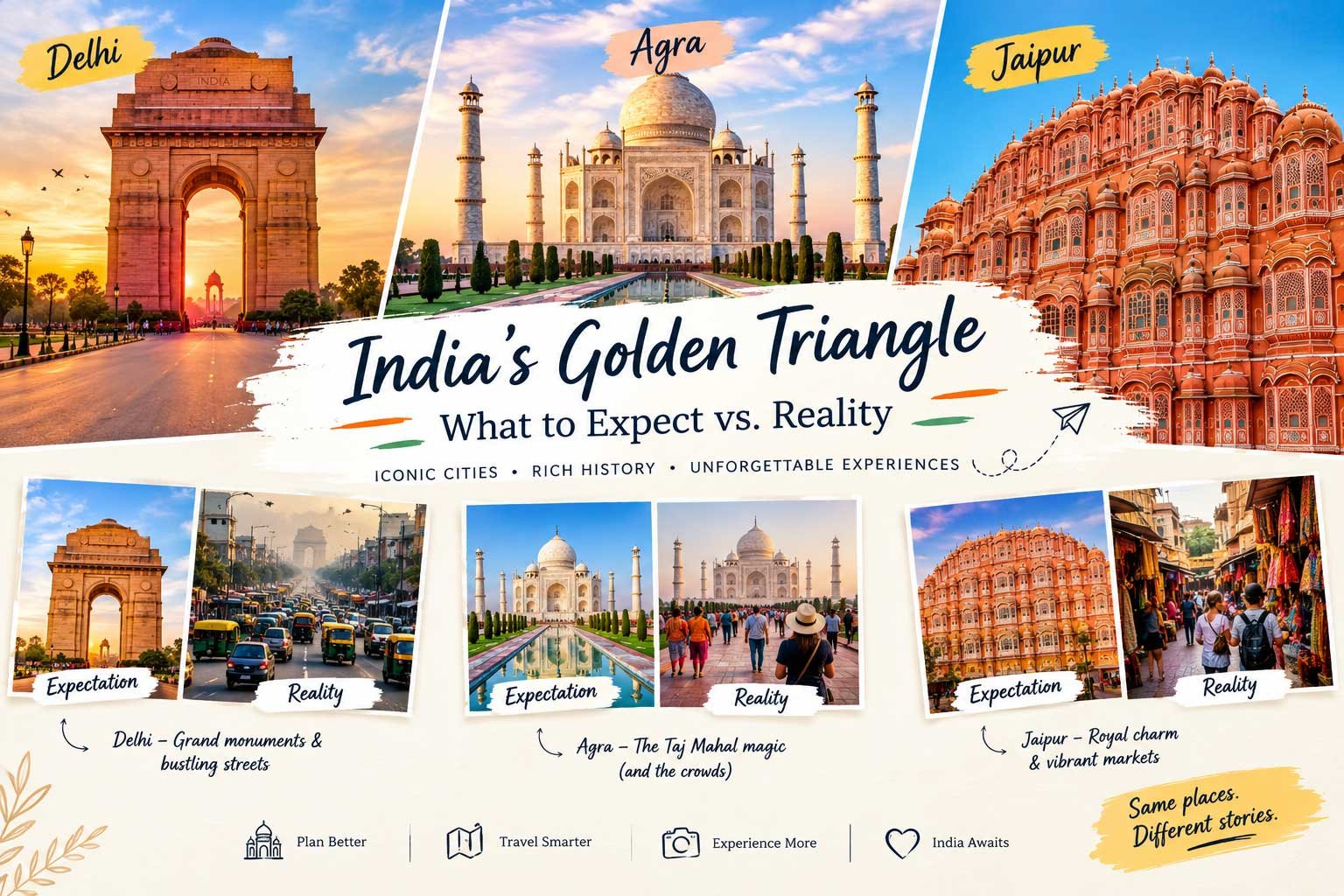
India’s Golden Triangle: What to Expect vs. Reality
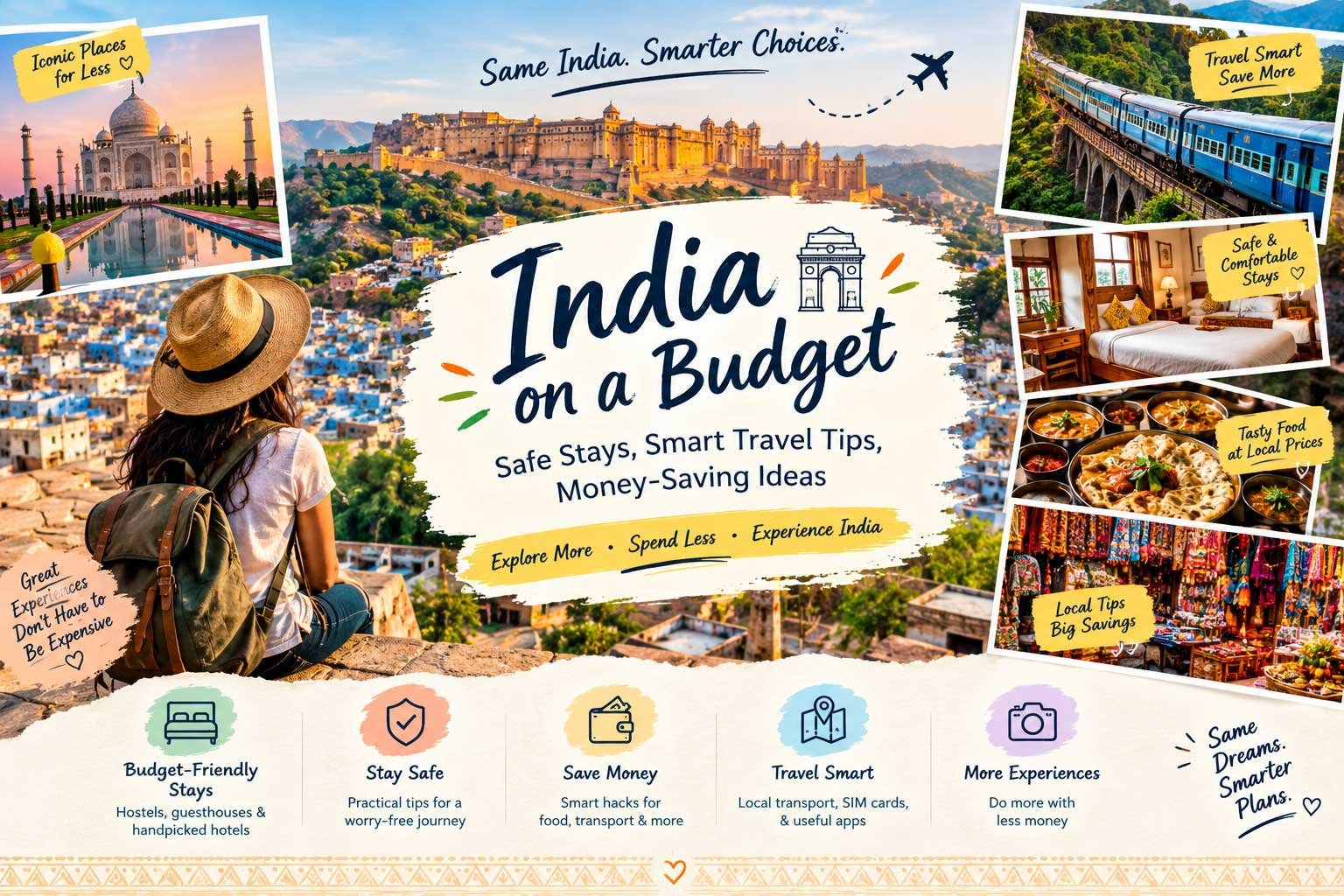
India on a Budget: Safe Stays, Smart Travel Tips & Money-Saving Ideas
Is India Safe for Western Travellers in 2026?
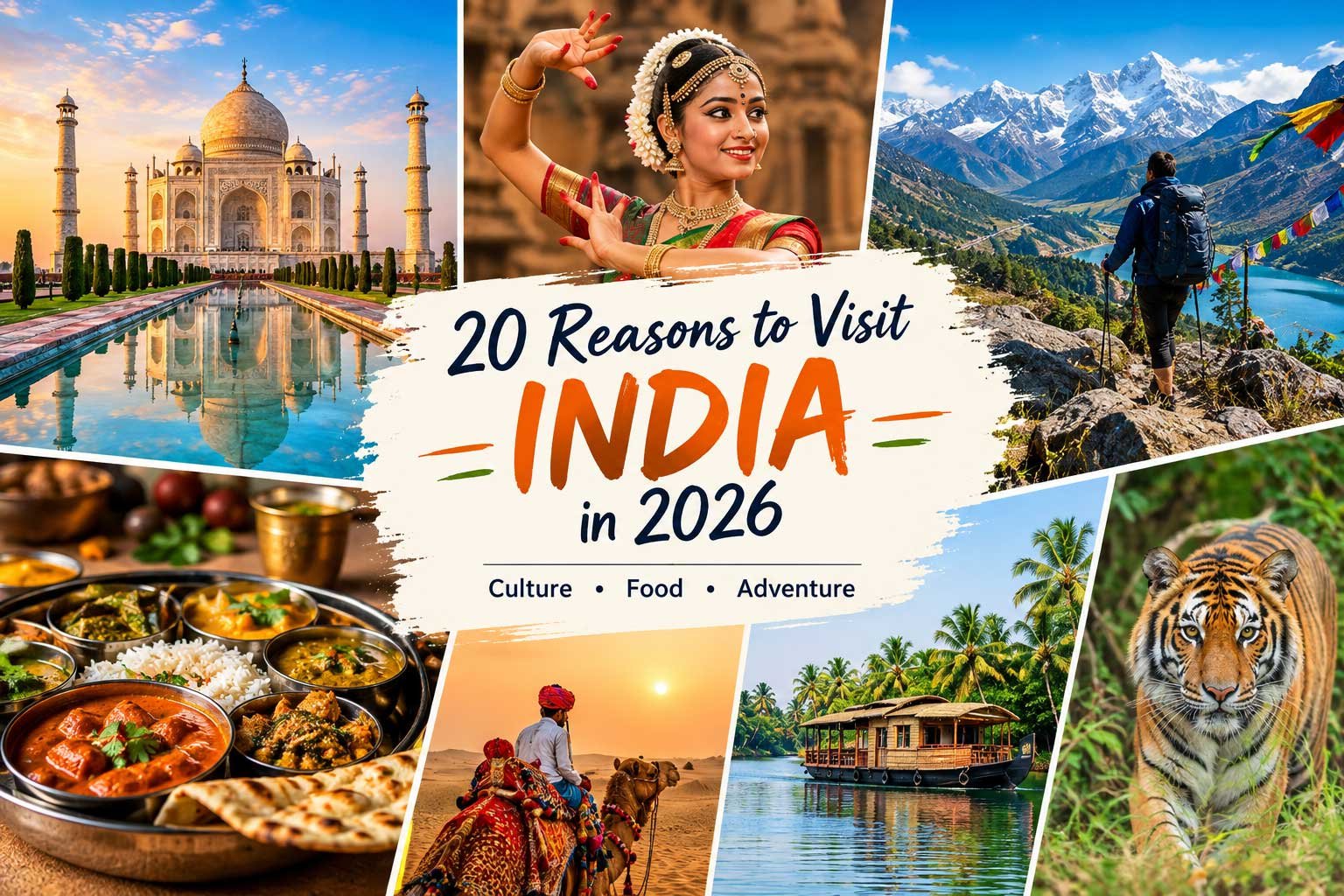
20 Reasons to Visit India in 2026: Culture, Food & Adventure
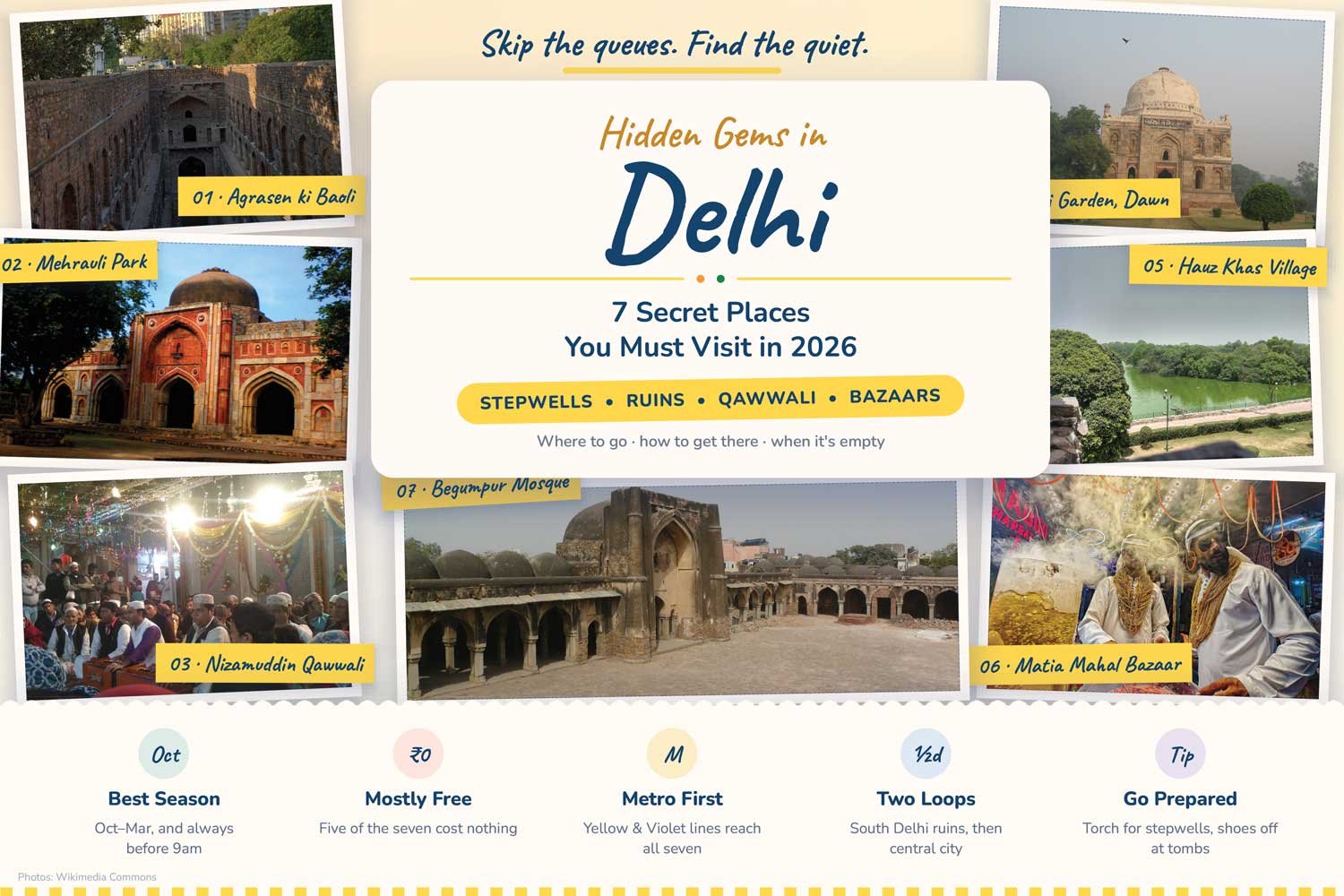
Hidden Gems in Delhi: 7 Secret Places You Must Visit in 2026